Introduction
It is widely recognized that the home literacy environment plays a powerful role in shaping a child’s literacy development. Long before children step into a classroom, they are already building language and early literacy skills through everyday interactions at home and within their community. These early experiences form the foundation upon which formal education is built.
Children who are exposed to rich language experiences such as conversations, storytelling, and shared reading tend to enter school with stronger vocabulary, better listening skills, and a clearer understanding of how language works. As a result, they are more likely to succeed academically.
One particularly valuable aspect of the home environment is oral storytelling. Families who regularly engage in storytelling provide children with an understanding of how narratives work, introducing them to elements such as characters, plot development, themes, and sequence of events. Through this, children also learn how to express themselves creatively and structure their thoughts in meaningful ways. In addition, storytelling helps children understand how to use tone, expression, and dialogue to capture a listener’s attention.
Ultimately, when children grow up in literacy-rich environments, they begin to see reading and writing not as chores, but as enjoyable and meaningful activities.
Home Literacy Environment
The home literacy environment refers to the everyday activities and interactions within the home that support the development of literacy skills. These are not limited to formal teaching but include natural, routine-based experiences that promote language and communication.
Some key key practices include:
- Picture book reading
- Singing songs and rhymes
- Storytelling
- Daily conversations
In a literacy-rich home, parents intentionally and consistently create opportunities for children to engage with language. This does not require expensive resources or formal lessons. Whether a parent stays at home or works full-time, small, consistent efforts like talking, reading, or singing with a child can make a significant difference.
Below are practical strategies parents can use to strengthen their child’s literacy development at home.
Storytelling
Storytelling is one of the most natural and effective ways to build literacy skills. It can happen anytime, during daily routines such as cooking, cleaning, gardening, or even before bedtime.
Parents can tell stories based on:
- Personal or family experiences
- Cultural traditions and beliefs
- Religious or moral lessons
- Imaginative tales involving magical creatures or distant lands
These storytelling moments help children develop listening skills, imagination, and an understanding of story structure. They also encourage children to eventually create and tell their own stories, boosting confidence and communication skills.
Importantly, storytelling does not need to be perfect or formal. The goal is engagement, interaction, and enjoyment.
Daily Conversations
Everyday conversations are powerful teaching tools. Through simple interactions, children learn how language is used in real-life situations.
Example: Grocery Store Interaction
A two-year-old child, Chris, is drawing while his mother prepares a grocery list. When his mother mentions she will buy oranges, Chris scribbles on his paper and says, “I’ve also added oranges to my list too.”
This simple moment reflects early literacy development. The child is:
- Observing how writing is used
- Imitating writing behavior
- Connecting spoken language to written symbols
Daily conversations like this expose children to vocabulary, sentence structure, and practical uses of language. Activities such as grocery shopping also introduce important concepts like:
- Quantity
- Money
- Decision-making
- Social interaction
Parents who actively engage children in conversation, such as asking questions, listening attentively, and responding thoughtfully. This helps to strengthen both language and thinking skills.
Serve and Return Interaction
A key component of effective communication with young children is serve and return interaction.
This occurs when:
* A child “serves” by making a sound, gesture, or comment
*An adult “returns” by responding appropriately
For example, when a baby babbles and an adult responds with words or expressions, it strengthens brain connections that support communication and language development.
Consistent serve-and-return interactions:
- Build vocabulary
- Improve social skills
- Strengthen emotional bonds
- Support brain development
Parents should aim to be responsive, attentive, and encouraging during these interactions.
Sharing Books
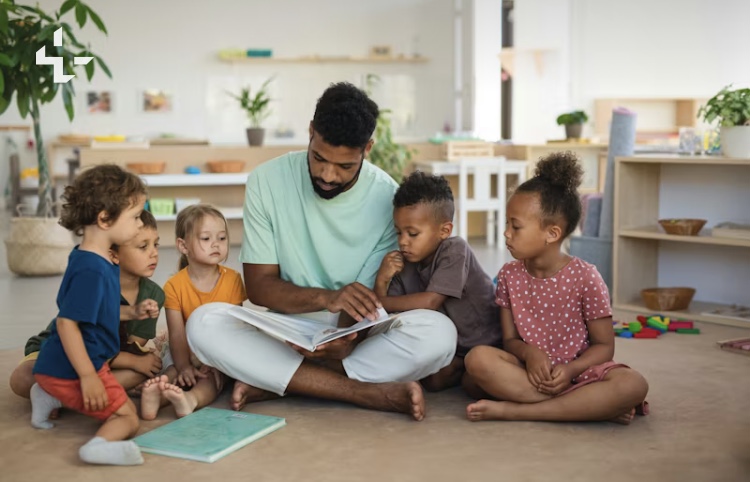
Reading with children is one of the most effective ways to promote literacy. Shared book reading helps develop vocabulary, comprehension, and a love for reading. These includes;
- Parents can:
- Choose colorful and engaging picture books
- Read aloud with expression and excitement
- Ask questions during reading (e.g., “What do you think will happen next?”)
- Encourage children to point at pictures or repeat words
Active participation is key. Children benefit more when they are involved rather than just listening passively. Beyond language development, shared reading:
- Strengthens the parent-child bond
- Creates emotional connection and security
- Helps children understand complex ideas like culture, values, and traditions
Making reading a regular and enjoyable activity helps children associate books with comfort and pleasure.
Rhymes and Songs
Rhymes and songs are excellent tools for developing early literacy skills. They expose children to:
- Sound patterns
- Rhythm and repetition
- Word play
These elements help children develop phonological awareness, which is the ability to recognize and manipulate sounds in language which is a critical skill for learning to read. Simple actions like clapping along to rhymes or repeating songs can make learning fun and memorable.
Educational Materials
Providing access to literacy-related materials encourages exploration and independent learning. Parents can introduce:
- Alphabet cards and charts
- Picture books and storybooks
- Drawing and writing materials
- Educational toys
Having diverse print materials in the home allows children to see and interact with written language regularly. This exposure helps them understand that print carries meaning and is used in everyday life. Even simple materials like paper and crayons can spark creativity and early writing attempts.
Digital Media
Digital media can also support literacy development when used appropriately. Children can engage with:
- Interactive reading apps
- Educational videos
- Literacy-focused games
Platforms such as YouTube, Khan Academy Kids, and similar learning resources provide access to rich literacy content. However, parental guidance is essential to ensure:
- Age-appropriate content
- Balanced screen time
- Active engagement rather than passive watching
When used thoughtfully, digital tools can complement traditional literacy activities.
Conclusion
Supporting a child’s literacy development does not require specialized training or expensive resources. What matters most is consistent, meaningful interaction.
Through storytelling, conversations, shared reading, songs, and access to materials, parents can create a nurturing literacy environment that builds strong foundational skills.
When children grow up in homes where language is valued and literacy is part of daily life, they are better prepared for school, and more importantly, they develop a lifelong love for learning