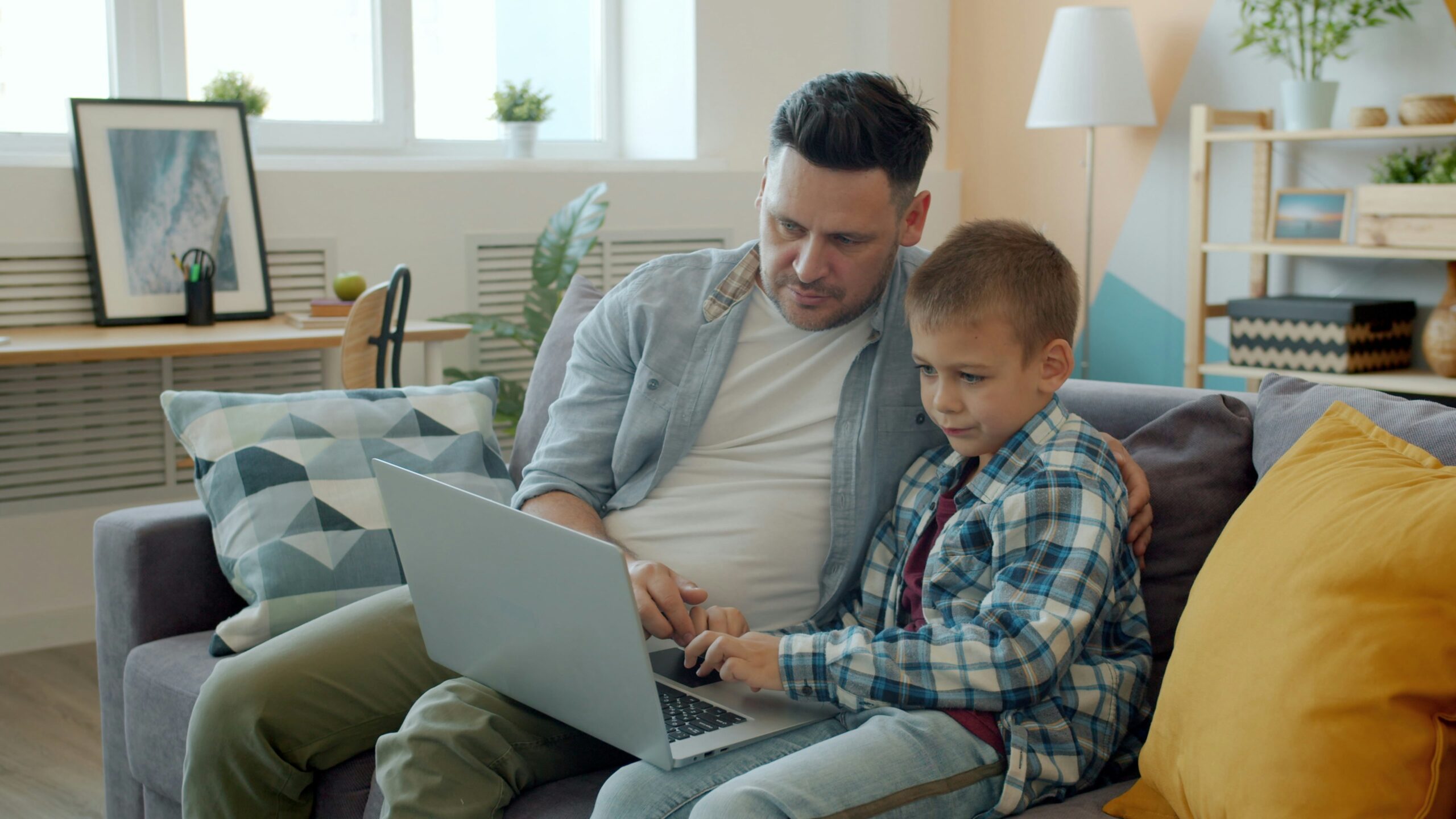
Modern parenting wasn’t built for either of us
This is for the couples who feel overwhelmed, misaligned, and quietly wondering how it got so hard.We are parenting in the space between two eras—where the old ways no longer fit, and the new ones are not fully formed. In the old way, mothers stayed home. Fathers worked. Villages helped. Roles were gendered and rigid, but they were clear. Support was built into the structure, even if freedom was not. In the new way, both parents are expected to share the load. Both are meant to stay connected to their careers, their children, their relationships, and themselves. Parents are consciously breaking cycles, communicating more intentionally, and healing generational wounds—often while doing it mostly alone.
This new way of parenting asks more of us emotionally, practically, and mentally, yet offers very little structure, modeling, or community in return. We are trying to meet modern expectations within outdated systems, without the shared care that once softened the load—extended family, neighbors, intergenerational support. The village is gone, but the demands have multiplied.
So what happens?
Mothers are still expected to carry the majority of the weight: the mental load, emotional regulation, logistics, care work, self-sacrifice—and now conscious parenting, healing generational trauma, and holding the emotional health of the family.
Often this happens while also holding a job, or trying to return to one, as if motherhood has not altered capacity, identity, or availability. There is an unspoken expectation to mother like you don’t work, and work like you don’t mother.
Fathers, too, are being pulled in new directions. They are expected to be emotionally available, actively engaged, attuned, gentle, hands-on, and progressive—often without ever having been shown what that looks like or how to grow into it.
At the same time, they are still expected to be the reliable provider, the unshaken worker, the steady earner. There is rarely space for fathers to explore their own identity shifts, vulnerabilities, or need for support. And increasingly, mothers are relying on fathers to fill the gap left by the missing village.
One person trying to be a partner, co-parent, emotional support system, co-regulator, best friend, and safety net—while both are already stretched thin. Modern parenting isn’t failing because parents aren’t trying hard enough. It’s hard because we’re building something new without the structures, support, or collective care it actually requires. And naming that truth matters.